Where your inner landscape can shift, and your body can restore.
Craniosacral Therapy
A quiet space to slow down, listen inward, and reconnect with yourself.
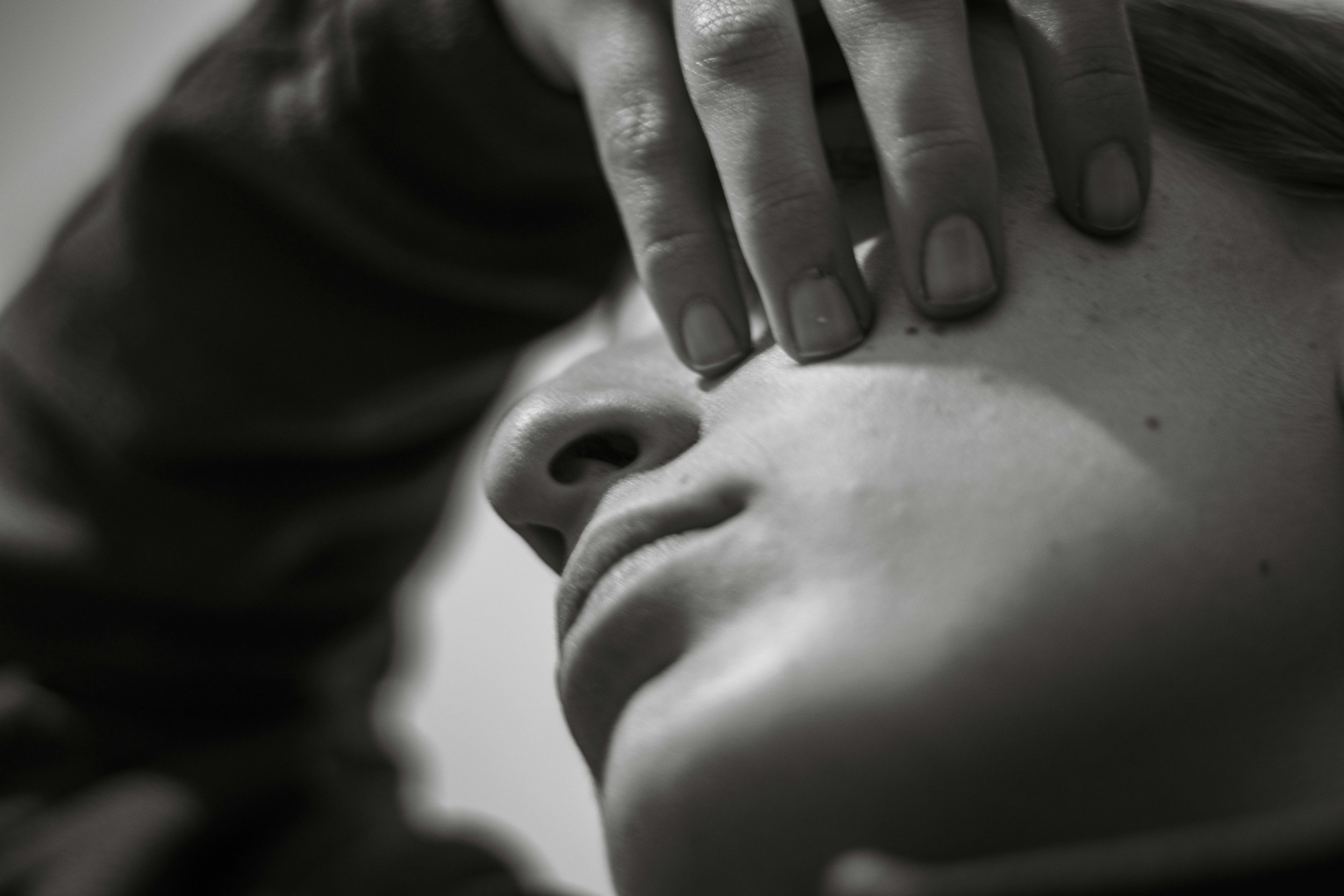
A different way of listening.
Craniosacral Therapy
Gentle, hands-on bodywork grounded in anatomy and guided by the body's innate wisdom.
-
Craniosacral Therapy grew from the osteopathic tradition and was developed by osteopath William Garner Sutherland, who explored the relationship between the cranium, spine and sacrum, and the tissues and fluids that surround and support the brain and spinal cord.
At its heart, Craniosacral Therapy takes a whole-body approach. Rather than viewing the body as a collection of separate parts, it recognises the interconnected relationship between its structures, tissues and systems. It is grounded in the understanding that the body is constantly adapting to its internal and external environment, and that there is an inherent capacity within us for regulation, balance and restoration.
Craniosacral Therapy is guided by the principle that the body has its own innate wisdom and capacity for self-healing. Rather than imposing change from the outside, the practitioner works with what is already present — listening, responding and creating the conditions for the body to find its own way towards greater ease, balance and restoration.
Craniosacral Therapy offers a space to listen deeply to the body and respond to what it is communicating, allowing the body to draw on its own innate capacity for self-healing and restoration.
-
Every session begins with a check-in and conversation. We take a little time to talk about how you are arriving, what you are experiencing and anything you would like to bring into the space.
You may come with something specific in mind — perhaps jaw tension, headaches, discomfort through the body, or simply a sense that something feels out of balance. This can help shape our intention for the session, but the way we work with it may not be what you expect. Craniosacral Therapy takes a whole-body approach, recognising that the body is interconnected. What is happening in one area may be influenced by relationships elsewhere in the body, so we don't necessarily stay focused on the place where you feel the symptom.
You'll remain fully clothed and comfortably supported on the treatment table. Comfortable, loose-fitting clothing is best — nothing tight or restrictive. Pants or shorts are preferred over skirts or dresses, and denim isn't ideal.
From there, the session unfolds through gentle, subtle touch and listening through the hands. There may be periods of quiet, conversation when something feels relevant to what is unfolding, or guided dialogue or meditation if it feels appropriate to explore something deeper that may be influencing the body.
There is no need to talk throughout the session, and no expectation that you need to make anything happen. Some people remain awake and deeply relaxed; others drift in and out of sleep. The deep rest supported by Craniosacral Therapy can be a nourishing experience for the parasympathetic nervous system, allowing you to settle into a quieter state.
You don't need to know what your body needs before you arrive. We can listen together.
-
The session begins with listening.
Listening to you — through conversation, what you share, what I observe and how you are arriving in the space. And then, through my hands, listening to the body beneath the surface — connecting with tissues, bones and fluids, and noticing qualities of tension and ease, movement and stillness.
What I perceive is considered alongside your experience in the moment. Sometimes something is obvious; sometimes it is subtle. I stay curious about what the body may be communicating, without deciding in advance what it needs or where the session should lead.
This allows the session to unfold organically, rather than following a predetermined sequence or checklist of techniques. The place you feel something most strongly isn't always where the body needs the most attention, so what emerges through the session may be different from what you expected.
Sometimes the most meaningful part of a session is what happens when we stop trying to make something happen.
-
Every body responds differently. You may notice physical sensations such as warmth, movement, pulsing, tingling, changes in breathing or areas of softening and release. You may also become aware of colours, sounds, imagery, thoughts, memories or emotions as you settle into the session.
As the body settles into deeper rest, you may drift in and out of sleep, remain quietly aware of what is happening within you, or find yourself somewhere in between. There may be periods of stillness, a sense of spaciousness, or simply the experience of having time to slow down and be present with yourself.
There may also be moments when emotions arise. There is no need to analyse or make sense of everything in the moment. We can simply notice what is present and allow the experience to unfold.
And sometimes, nothing much happens at all. You may not notice any particular sensations or experience anything you can put into words. That is perfectly okay too. You may notice very little at the time, with changes or insights becoming more apparent later, as you have time and space to integrate the experience.
You may notice something shift during the session, or perhaps become aware of something differently afterwards. You may notice very little at all.
There is no right way to experience Craniosacral Therapy.
-
Craniosacral Therapy is available for adults and children, with session lengths tailored to the needs of each age group.
Adults — 60 or 90 minutes
Children 0–10 — 30 minutes
Children 10+ — 45 minutes
Late pregnancy birth preparation — 45 minutesThe Body Landscape also offers Ritual sessions and postpartum home visits for mum and bub, providing space for deeper reflection, integration and support through significant transitions.
View current sessions, pricing and availability on the booking page.
Ready to slow down?
Explore the sessions available and make some space for yourself.
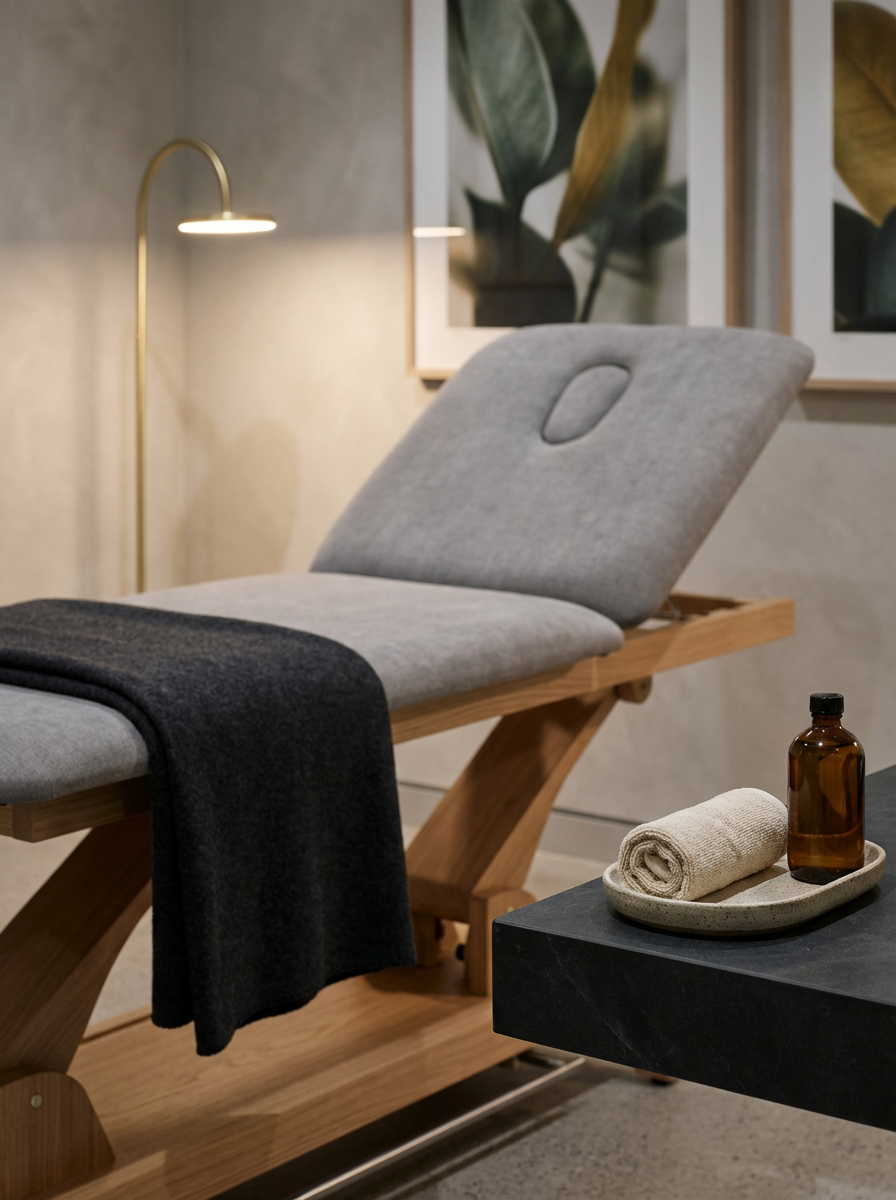
The journey behind The Body Landscape.
From a personal search for answers to a deeper understanding of the body, this is the story of how I found my way to Craniosacral Therapy.


Find The Body Landscape on Instagram
Follow along on Instagram for reflections, glimpses into the practice, and the moments in between.



Have a question?
If you're wondering whether Craniosacral Therapy might be right for you, or you'd
simply like to know a little more before booking, you're welcome to get in touch.
If I miss your call, please leave a message and I'll get back to you as soon as I can.